
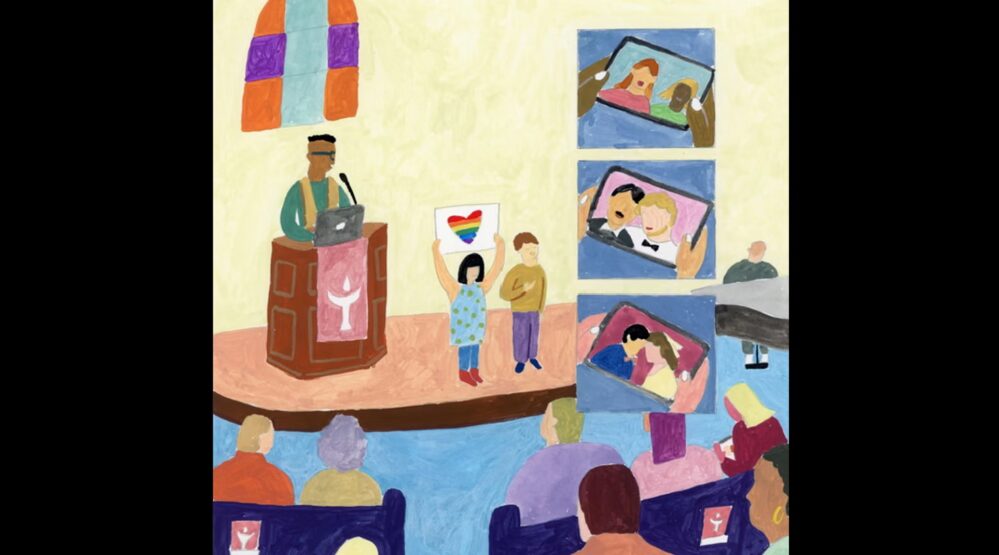
Sex education that is scientifically accurate, evidence based, and age-appropriate prepares children, adolescents, and young adults to make educated decisions about their health and their relationships. Despite the many benefits, sex ed is not standardized and lacking in evidence based information. As some states continue to scale back requirements, we have a story about how some parents and faith communities are stepping in to teach what schools won’t. “When these hostile state legislatures try to limit or erase sex education in schools, the information doesn’t just disappear. It has to move,” Miranda Estes, state policy action manager at Siecus: Sex Ed for Social Change, said. “Community-based programs, including faith-based ones, are having to step in to fill the gap.” Heart to Grow, a Muslim sex education and advocacy program, and Our Whole Lives, designed by the Unitarian Universalist Association (UUA) and the United Church of Christ (UCC), are examples of organizations doing the work.
As in an earlier story on which Hard Copy reported, having parents involved in the sex education of their children can make a significant difference for the child. A study in Cote d’Ivoire found parent-child communication about sex and sexuality is hampered by taboos, cultural norms, and the parents’ lack of information. The researchers recommend school-based resources to support families with information and culturally sensitive approaches as they are essential to develop effective sexual and reproductive health education.