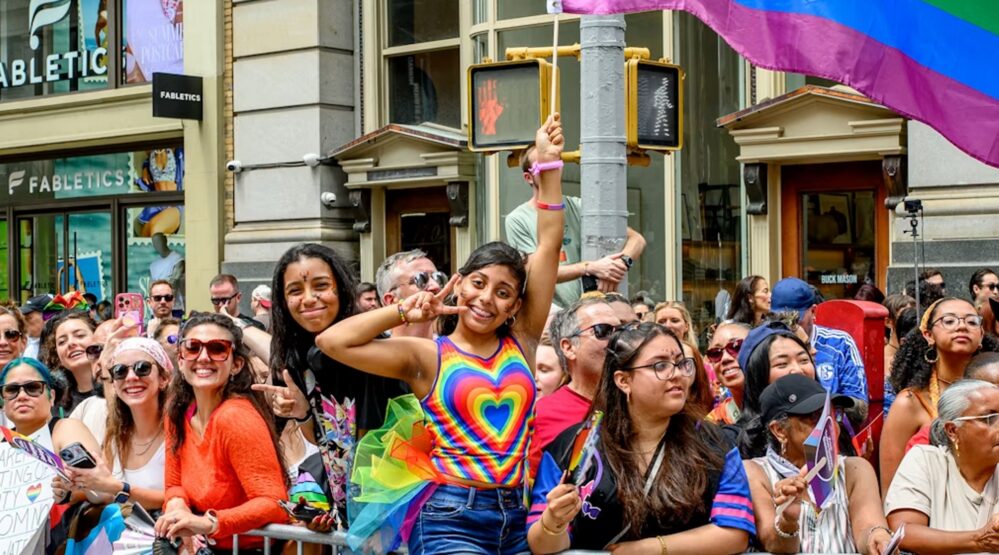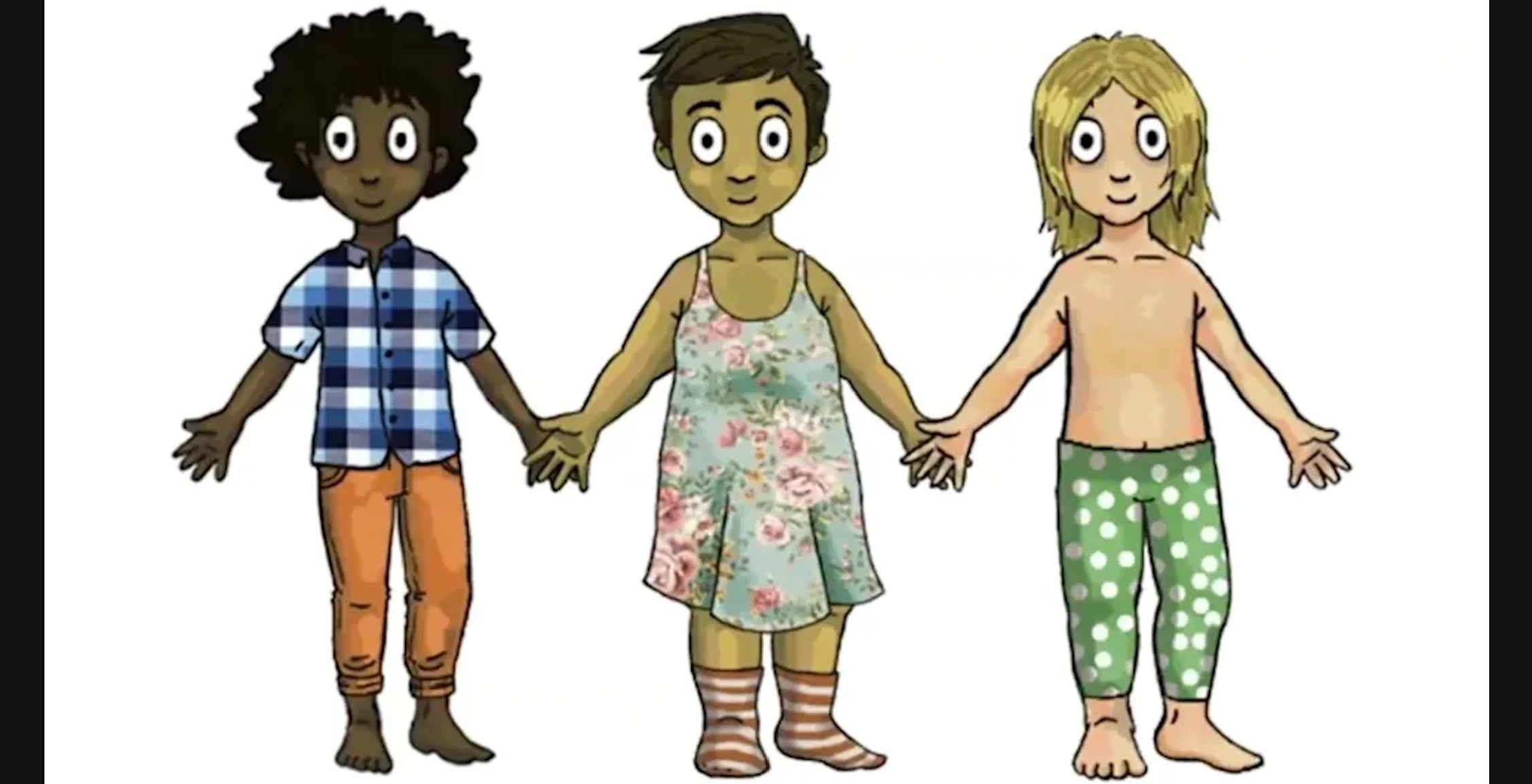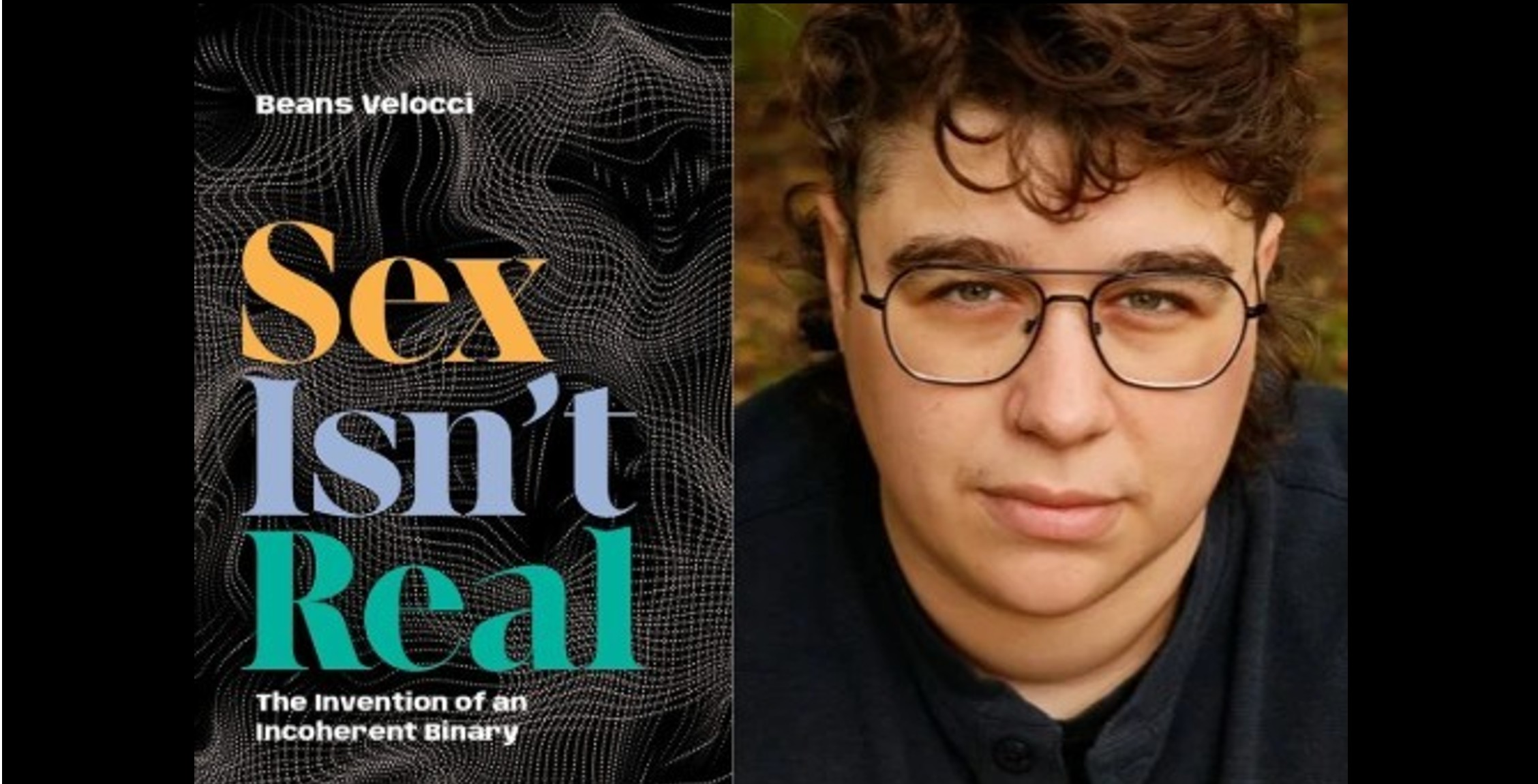
LGBTQ+ identification has more than doubled since 2012 according to a recent Gallup poll. 28% of Gen Z women identified as LGBTQ+ compared with 10.6% of Gen Z men. In an in-depth piece, The Conversation brings together an interdisciplinary team (psychology, social work, and gender studies) to look at this national trend and ask if sexual behavior/attitudes between young women and men are changing in a similar way. It isn’t a simple answer and there are many factors at play. Ultimately the gender gap is not only about who claims an LGBTQ+ identity; it is also about how heterosexuality is viewed and what it means to be masculine or feminine.
Women Less Heterosexual than Men