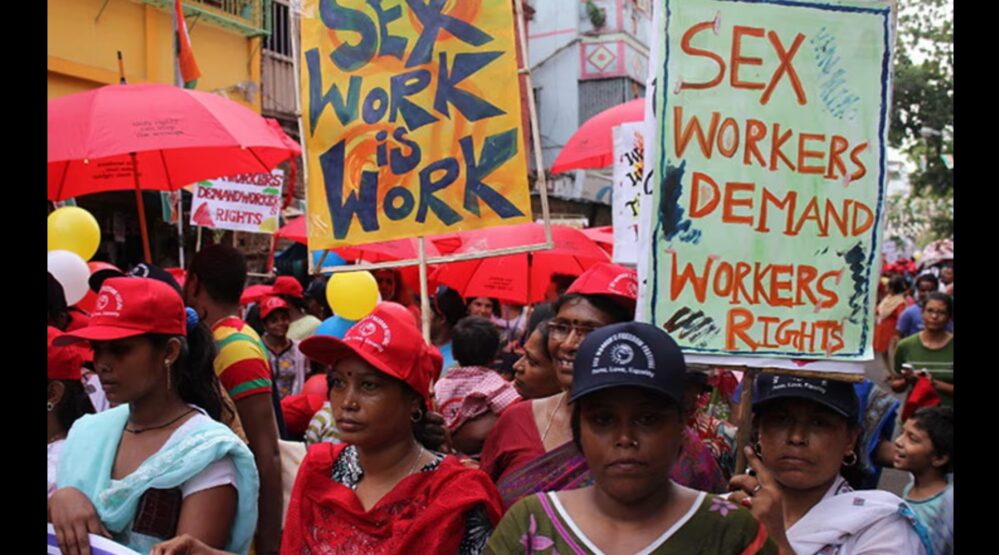
Public opinion and police enforcement in India have long assumed that all sex work is illegal, and women found engaged in the trade are often confined against their will to “protective homes.” In a landmark ruling, the Supreme Court has clarified that the Immoral Traffic (Prevention) Act only criminalizes public solicitation and third persons profiting from another’s sex work, but not exchanging sex for money as long as it is private and voluntary. Although running a brothel is illegal under the act, automatically treating sex workers found in brothels as victims in need of rescue is a paternalistic violation of their autonomy. The Court’s ruling will hopefully make sensational police raids on brothels less common, and resources can instead be devoted to intelligence gathering about criminal syndicates that engage in actual exploitation of women for profit.
India Supreme Court Legalizes Voluntary Sex Work